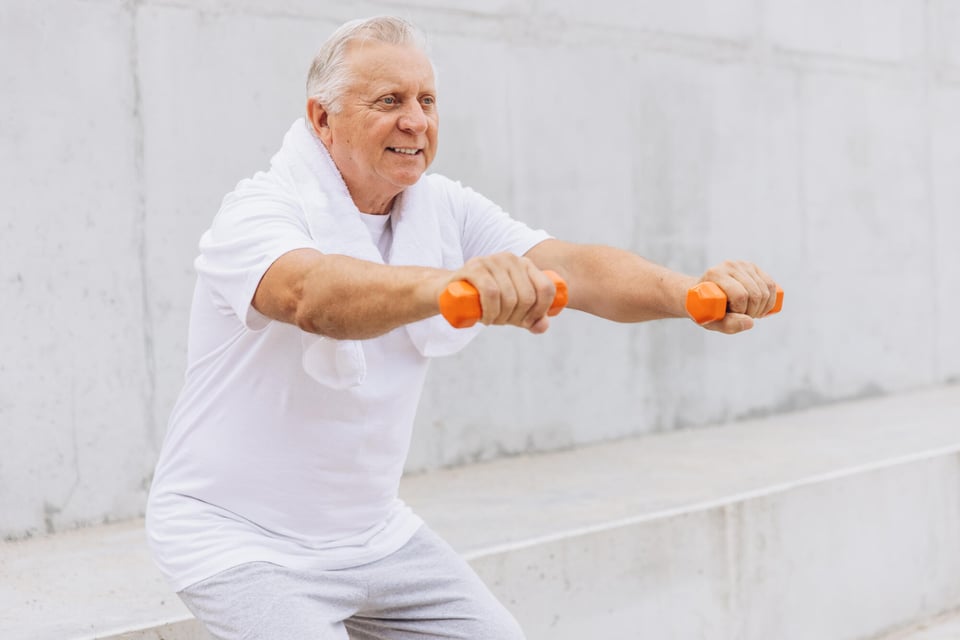
Strength training helps seniors stay strong, steady, and independent while enjoying the city's active coastal lifestyle. Building muscle, improving balance, and staying socially engaged all contribute to stronger overall wellness and a more fulfilling daily life in the community.
Have you ever wondered how strength training for seniors in Ventura helps older adults stay active, steady, and full of energy despite the natural challenges of aging?
Ventura's mild weather, scenic parks, and strong community programs -- including options at a local senior fitness center -- make strength training easy to adopt. Simple routines using light weights, resistance bands, or bodyweight movements can help seniors improve mobility and confidence.
As strength builds, so does independence. Every day tasks feel easier, balance improves, and participating in community life becomes more enjoyable.
What Are the Signs a Senior May Need Strength Training?
Many seniors begin to benefit from strength training long before they realize their muscles are weakening. A common sign is struggling with everyday tasks like carrying groceries, rising from a chair, or climbing stairs, which suggests a decline in muscle strength.
Changes in balance -- such as wobbling, needing to hold onto furniture, or hesitating when walking on uneven surfaces -- also indicate reduced stability. Seniors may notice increased fatigue during routine activities, difficulty maintaining good posture, or a slower walking pace. Even minor aches from simple movements can signal that the body needs more strength support.
What Are the Benefits of Strength Training for Seniors?
Strength training offers seniors far more than stronger muscles; it supports a healthier, more independent lifestyle. One of the biggest benefits is improved balance and stability, which significantly reduces the risk of falls.
Strength training also helps maintain bone density, which is especially important for seniors managing osteoporosis or age-related bone loss. Better joint support can ease stiffness, reduce discomfort, and improve mobility, making movement feel more natural again.
Beyond physical improvements, strength training boosts confidence and energy. Many seniors notice enhanced mood, sharper mental focus, and a greater sense of connection when they participate in group classes.
What Types of Strength Training Exercises Are Best for Seniors?
Strength training works best when it's safe, adaptable, and designed to support mobility, balance, and everyday function. The exercises below are especially effective for seniors because they build strength without overwhelming joints or requiring complicated equipment.
Resistance Band Work
Resistance bands provide gentle, controlled tension that helps seniors strengthen major muscle groups. They're easy on the joints, portable, and ideal for arm curls, chest pulls, and seated rows. Bands also help improve posture and upper-body stability.
Light Dumbbell Exercises
Using small dumbbells helps build strength in the arms, shoulders, and upper back. Simple movements like bicep curls, overhead presses, and lateral raises can improve the ability to lift, carry, and reach. Light weights allow seniors to work at their own pace with minimal strain.
Bodyweight Movements
Exercises like wall push-ups, heel raises, and seated stands use the body's own weight to build strength. These movements improve lower-body stability, support balance, and help seniors stay confident performing daily tasks. They're effective even without equipment.
Chair-Supported Exercises
Chair squats, seated leg lifts, and assisted core movements offer structured support while still strengthening major muscle groups. These exercises are especially helpful for seniors who want to build strength while maintaining safety and comfort.
Balance and Stability Training
Movements such as standing on one foot, gentle step-ups, or using a balance pad help strengthen stabilizing muscles. This type of training reduces fall risk and enhances confidence during walking, turning, or navigating uneven surfaces.
Low-Impact Functional Movements
Exercises like marching in place, light lunges, or step-backs mimic real-life movements and help prepare the body for everyday activities. These functional exercises build coordination, endurance, and joint support.
How Can Seniors Get Started Safely With Strength Training?
Beginning a strength training routine works best when seniors focus on safety and comfort. Checking in with a healthcare provider is a smart first step, especially for those with joint pain, chronic conditions, or past injuries.
Starting with senior-friendly workouts helps older adults build strength gradually without strain. Proper form matters more than intensity, so using a mirror or guided class can help ensure safe movement.
Warm-ups and cool-downs prepare muscles and reduce stiffness, while consistency -- not speed -- leads to real progress. Supportive equipment like stable chairs, non-slip shoes, and easy-grip bands adds confidence and stability.
Seniors should stop right away if they feel sharp pain, dizziness, or unusual discomfort. With these precautions, strength training becomes a safe, empowering part of everyday wellness.
Frequently Asked Questions
How Often Should Seniors Do Strength Training?
Most seniors benefit from strength training two to three times per week, giving muscles time to recover between sessions. Short, consistent workouts are more effective than long, infrequent ones.
Is Strength Training Safe for Seniors With Arthritis?
Yes -- when done correctly. Gentle resistance, slow movements, and proper form can actually reduce joint stiffness and improve mobility. Seniors should avoid exercises that cause sharp pain and choose low-impact options.
Can Strength Training Really Help Prevent Falls?
Absolutely. Building leg, core, and stabilizing muscles improves balance and coordination, which lowers fall risk and increases confidence during daily activities.
What If a Senior Hasn't Exercised in Years?
It's never too late to start. Seniors can begin with simple, low-intensity movements and gradually increase effort as their strength grows. Slow progression keeps the routine safe and sustainable.
Should Seniors Work With a Trainer or Join a Class?
Many benefit from guided support, especially in the beginning. Trainers and senior-focused classes help ensure proper form, provide motivation, and create a safe environment for learning new movements.
Strength Training That Supports a Fuller Life
Strength training for seniors isn't just about lifting weights; it's a proactive step toward greater independence, enhanced mobility, and a fuller social life in Ventura. When seniors adopt safe, consistent strength training routines, they build the muscle, balance, and confidence they need to fully enjoy their community lifestyle.
At The Orchard Senior Living in Ventura, seniors enjoy a beautifully renovated community surrounded by citrus orchards, offering resort-style amenities and a wellness-focused environment designed to help you stay strong, active, and engaged.
Schedule a tour and discover how our supportive programs help seniors thrive -- mind, body, and spirit.