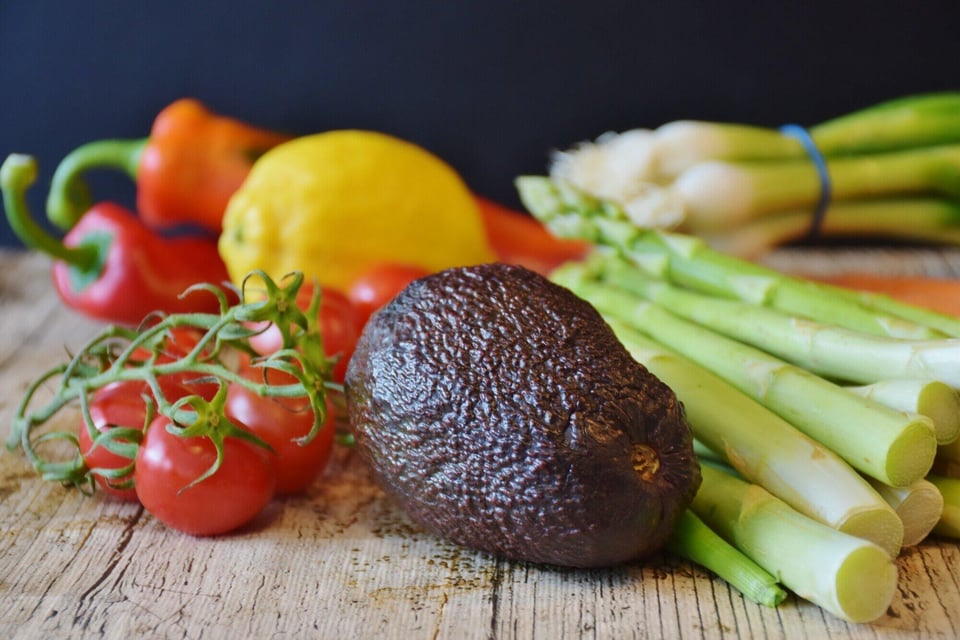
A working senior diet plan combines balanced nutrition with delicious, energy-boosting foods to support digestion and mental focus. This approach prioritizes fiber, lean proteins, and healthy fats to promote healthy aging and sustained vitality. Research from the American Journal of Clinical Nutrition highlights that diets rich in nuts, leafy greens, berries, and whole grains are associated with slower cognitive decline in older adults.
There are many more foods that seniors should be eating outside of the staple diets. The Orchard in Ventura, CA, understands that the right ingredients improve digestion and provide steady fuel. Simple adjustments make a significant difference in how seniors feel each day.
What Are the Key Building Blocks of a Senior Diet Plan?
There is no single perfect senior diet plan. Effective nutrition for seniors relies on variety, balance, and consistency to support the body's changing needs.
A combination of food groups provides comprehensive benefits. Essential components of a balanced eating approach include:
- Lean Proteins
- Colorful Vegetables
- Whole Grains
- Healthy Fats
- Hydration
Lean proteins from fish, poultry, and beans support muscle maintenance. Colorful vegetables provide vitamins and antioxidants for cellular health.
Whole grains offer sustained energy through meals and dietary fiber. Healthy fats from avocados, nuts, and olive oil aid nutrient absorption and brain function.
Prioritizing regular, balanced meals is more effective than restrictive dieting. Pairing thoughtful nutrition with an active lifestyle promotes long-term healthy aging.
How Can Food Specifically Boost Energy and Aid Digestion?
Food boosts energy by providing steady fuel through complex carbohydrates and proteins. Combining fiber-rich foods with lean proteins prevents energy crashes and supports digestion.
Eating at consistent times helps regulate metabolism and blood sugar. Including a source of protein with each meal sustains energy levels.
Fiber aids digestion by promoting regularity and feeding beneficial gut bacteria. Soluble fiber from oats and apples helps manage cholesterol and blood sugar.
Insoluble fiber from vegetables and whole grains adds bulk to support regularity. Increasing fiber intake gradually prevents discomfort.
Drinking water throughout the day is crucial for moving fiber and preventing dehydration-related ailments. Proper hydration supports every metabolic process for energy.
Which Brain-Boosting Foods Should Be on the Menu?
Incorporating brain-boosting foods fits naturally into daily meal planning. Omega-3 fatty acids from salmon and walnuts support brain cell structure and function.
Antioxidant-rich berries and dark leafy greens protect against oxidative stress. Herbs and spices like turmeric and rosemary offer anti-inflammatory benefits.
Whole grains provide a steady glucose supply, the brain's primary fuel. Brief, consistent inclusion of these foods supports focus and memory.
- Fatty fish like salmon or mackerel
- Blueberries, strawberries, and blackberries
- Spinach, kale, and broccoli
- Walnuts, almonds, and flaxseeds
How Do Lifestyle and Environment Complement a Healthy Diet?
Social dining experiences, like those in our community dining room, improve meal enjoyment and consistency. Stress management through hobbies or mindfulness reduces cortisol, which can impact digestion and appetite.
Access to engaging activities and events encourages a routine that includes regular meals. A serene environment, like our lush orchards, promotes relaxation, which aids digestion.
Getting adequate sleep allows for hormonal balance related to hunger and satiety. Limiting processed foods protects gut health and energy levels.
- Enjoying meals with friends in a social setting
- Participating in gentle post-meal walks
- Practicing mindful breathing before eating
- Keeping a regular sleep schedule
Making holistic lifestyle choices supports dietary goals and improves quality of life. Combining great nutrition with a vibrant community strengthens overall wellness.
Can a Fiber-Focused Diet Improve Mental Focus Over Time?
A fiber-focused diet can improve mental focus by stabilizing blood sugar levels. Consistent energy from whole foods prevents the cognitive fog associated with sugar spikes and crashes.
Foods high in fiber support a healthy gut microbiome, which is linked to neurotransmitter production. Short, regular meals that include fiber promote sustained cognitive fuel.
Choosing enjoyable, fiber-rich foods encourages seniors to maintain this approach. Having stable energy allows for better concentration during daily tasks and social activities.
As digestion improves, discomfort decreases, reducing distractions. Monitoring how different foods affect energy helps personalize the diet.
Progress becomes noticeable through clearer thinking and more consistent vitality. Gradual dietary shifts support confidence and digestive comfort.
Is the Mediterranean Diet an Effective Model for Senior Nutrition?
The Mediterranean diet is an effective model for senior nutrition. Its focus on vegetables, fruits, legumes, and olive oil aligns with key needs for fiber and focus.
Regular consumption of fish provides omega-3s for brain health. Emphasizing whole foods over processed items supports digestion and nutrient density.
Daily schedules can easily incorporate its principles without complex rules. Following this flexible pattern supports heart health, cognitive function, and healthy aging.
Habitual practice fits many cultural preferences and supports long-term adherence safely and enjoyably.
Frequently Asked Questions
How Does a Senior Diet Plan Support Healthy Aging Without Restriction?
A senior diet plan supports healthy aging by emphasizing addition over subtraction. Focusing on adding nutrient-dense foods promotes satisfaction and reduces cravings for less healthy options.
Mindful eating improves enjoyment and digestion. Manageable changes encourage consistency without feeling deprived.
Should Dietary Goals Change While Prioritizing Nutrition for Seniors?
Dietary goals may need adjustment based on health changes. Aging digestive systems benefit from focusing on fiber and hydration rather than calorie counting.
Nutrient absorption and ease of digestion become key priorities. Gradually modifying food textures or meal timing helps maintain intake.
What Key Signs Indicate That a Diet Plan Is Working?
Key signs that a diet plan is working include improved energy throughout the day. Steadier digestion and regular bowel movements also indicate progress.
Experiencing better mental clarity and reduced bloating reflects improvement. Maintaining a stable mood and consistent weight demonstrates effective nutrition.
Enhanced sleep quality and quicker recovery after activity signal that the body is well-fueled.
Experience Elevated Nutrition and Living at The Orchard in Ventura, CA, Today
A smart senior diet plan is one that supports steady energy, comfortable digestion, and mental clarity through balanced, delicious food. Engaging in mindful eating improves vitality and supports healthy aging.
The Orchard, located in Ventura, CA, is an active independent retirement and Memory Care community surrounded by lush citrus orchards. Our lifestyle provides chef-prepared meals, engaging activities, and personalized support designed to enhance well-being in a maintenance-free environment.
Contact The Orchard to schedule a community tour with us or to request more information today.